Hosted By

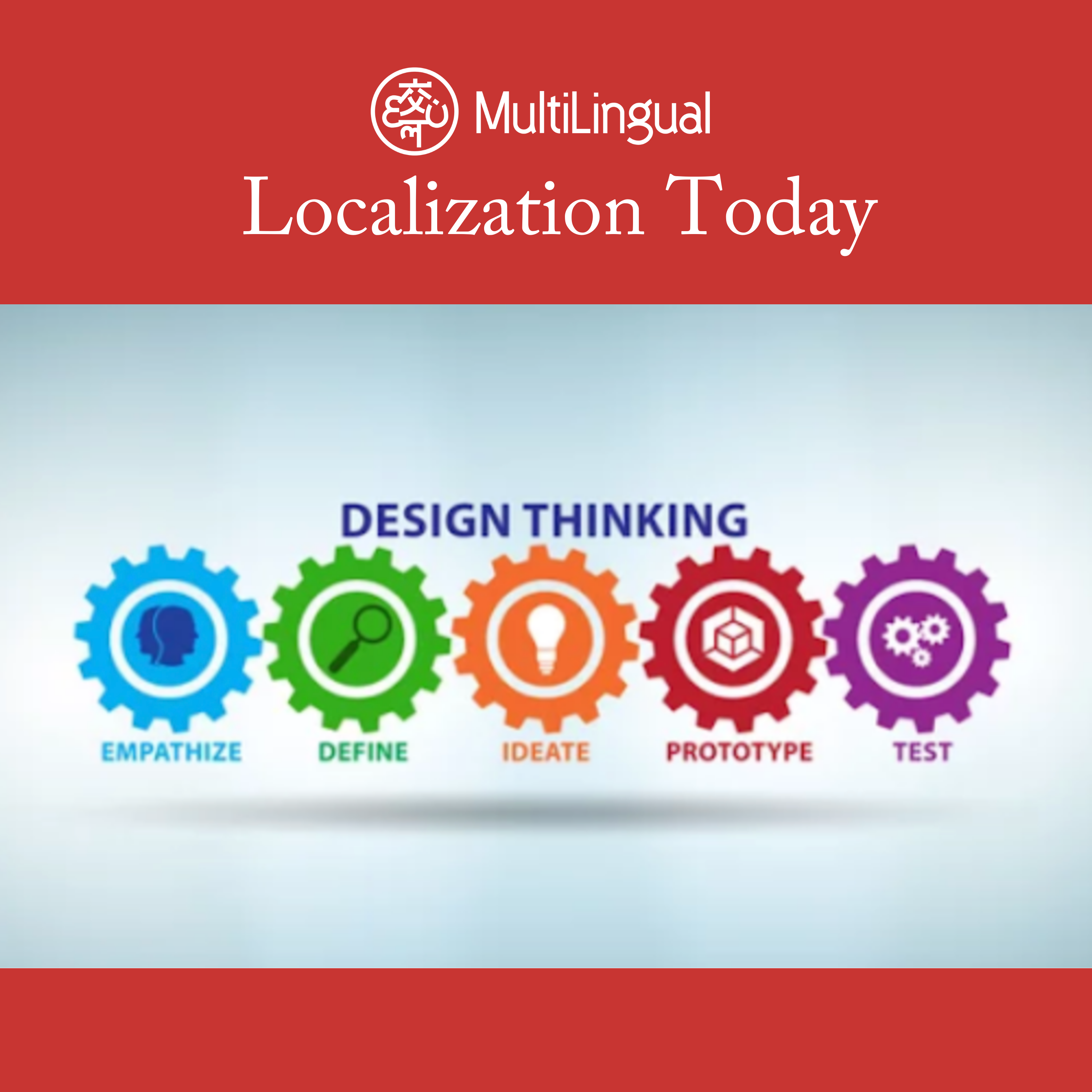
This non-conventional way of creating innovative products passes through five phases — empathize, define, ideate, prototype, and test — and is most useful to tackle ill-defined or unknown challenges. So how can we best translate these phases with localization in mind?

What happens when localization is no longer treated as a support function, but as a driver of growth? In this episode of Localization Today,...
A business professional with over 20 years of experience in marketing roles, Jolls announced his hiring by Lilt yesterday on LinkedIn, sharing a video...
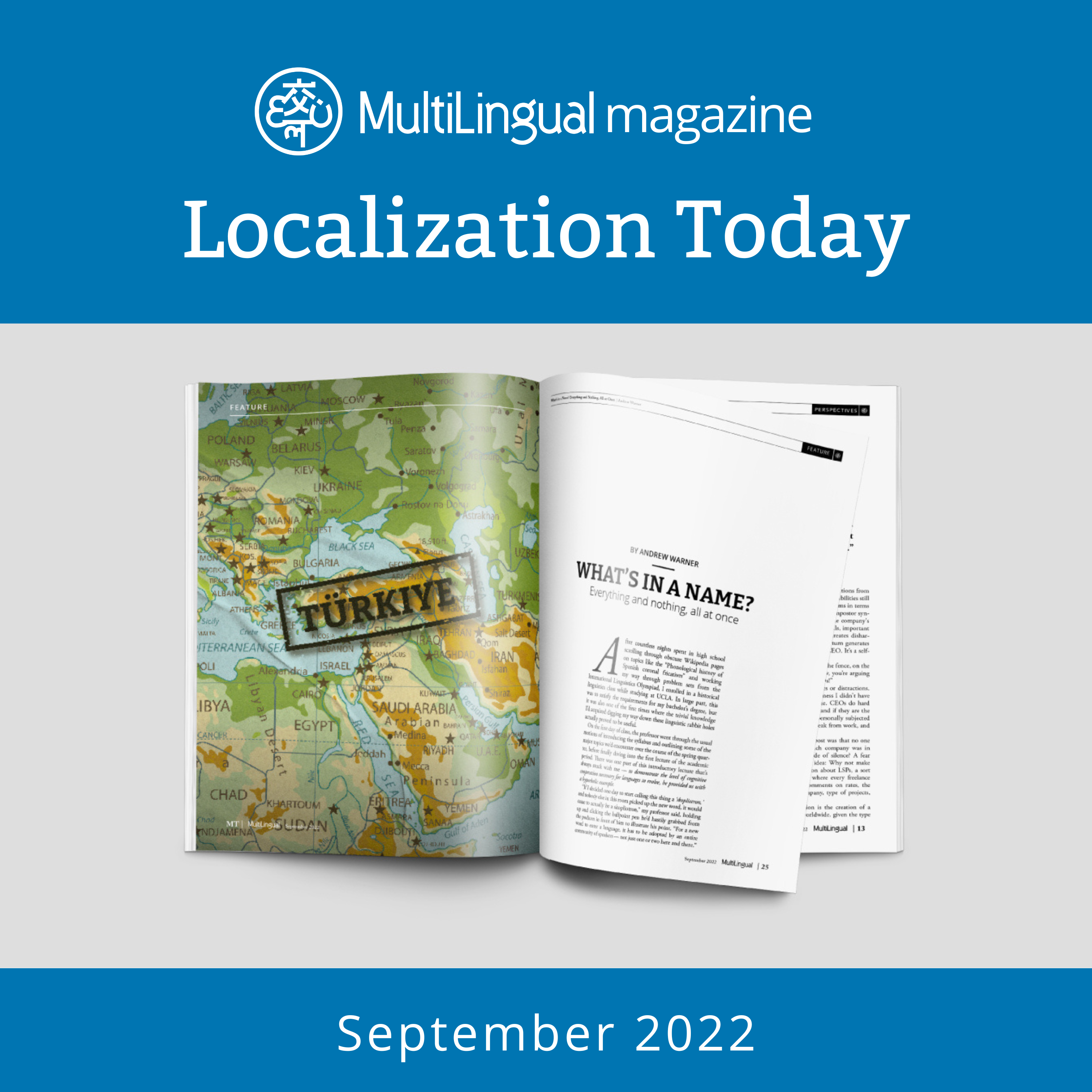
Asking the entire world to start calling Turkey “Türkiye” without a really convincing justification is sort of akin to asking a group of 40...