Episode Transcript
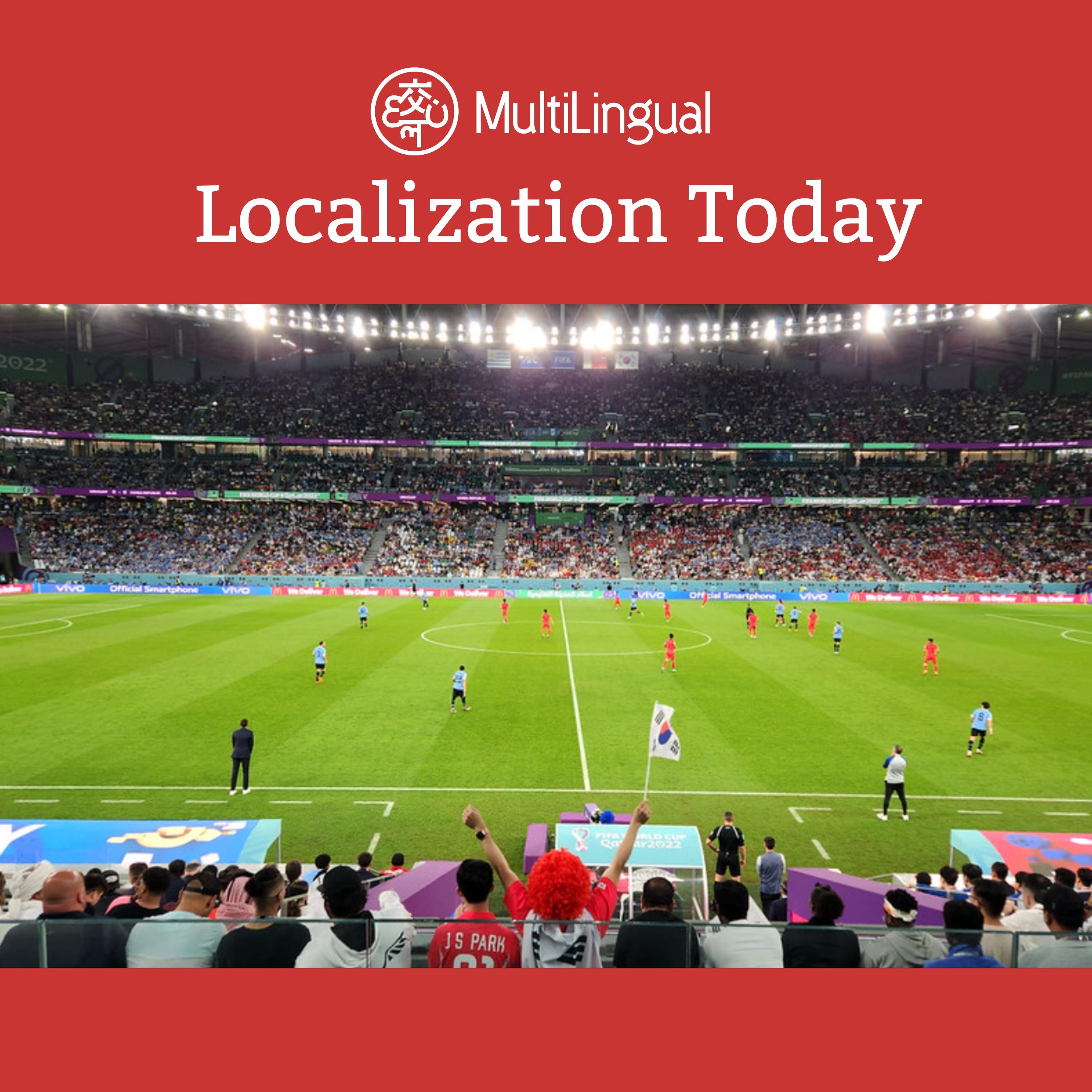
[00:00:00] How multilingual localization is fueling the global growth of Indic Sports Streaming By Dhiraj Agarwal when it comes to India, the conversation usually centers on the numbers, and the same goes for the sports streaming scene. India is home to 655 million sports fans, according to Google, with a consumer base double the population of the entire United States. It has led to the creation of a sports streaming market valued at just under $2 billion.
[00:00:30] Most of this market comes from a single sport, cricket, but the appetite for other sports is picking up fast. While the market size may seem attractive to streaming media operators, entering and thriving here is not easy. As you can imagine, there are many countries within the country of India's sports fans, and therein lies the story.
[00:00:51] What do we mean by that? India's sports fans speak a multitude of languages, each commanding a population pretty much the size of Spain or Germany or sometimes more.
[00:01:02] That each of these countries comes with its own cultures, preferences and idiosyncrasies goes without saying.
[00:01:09] So how do you speak to these sports countries inside India?
[00:01:13] A close look at the Indian streaming sports landscape reveals that localization is key to growth in this market. The sports streaming market is young, male and non metro.
[00:01:24] The market is predominantly male and rural, though female fans are quickly growing in number and urban fans are still a sizable chunk at 41%, according to the Google Report. Cricket commands the lion's share of the streaming market.
[00:01:43] The New York Times reported that this year's Indian Premium League final match surpassed 1 billion viewers, leaving the super bowl far behind. But there's space for more. Many other sports, such as kabaddi, football, hockey and badminton are gaining viewership too. Women's cricket is another fast growing subdomain. Individual events, though, have yet to gain a strong foothold. Live sports are usually delivered via set top boxes and streaming platforms. The latter are accessed through relatively cheap Internet plans and mobile devices, often shared among friends and family, and through affordably priced digital streaming services.
[00:02:23] Consumption via mobile devices has outpaced that via set top boxes, and this trend is only going to grow in the coming years given India's high mobile penetration at over 700 million smartphone users. Gen Zers those between 14 to 29 years of age are the biggest demographic at 43%, followed by millennials at 36% and Gen Xers at 22%. Localization enables regional fan engagement the love of sport may well go beyond languages, cultures and borders, but language is still a critical differentiator in India. When Star Sports launched Hindi commentary for cricket matches in 2013 it was a runaway hit. Other major languages including Tamil, Kannada, Marathi and Telugu were rolled out, each one bringing massive growth. The in language commentary was never just about language. It changed the entire sports spectator experience. For Indian fans. Cricket was no longer a game to be experienced in an alien language. It was available in the rhetoric of the language at home. Tuta High gaba ka gamand gaba has been vanquished went on to become a memorable line in cricketing commentary, perhaps competing in mindspace for the actual event itself. India's win against Australia in 2021. There has been no looking back for localization in the sports sector since then. It brought in an unprecedented level of emotional attachment to an already much loved gang.
[00:03:56] Consumer research has also shown that local language commentary increases the probability of a family watching a sporting event together.
[00:04:04] Indic language commentary was followed by indic language advertising and now translation and localization are making the same inroads into digital sports content.
[00:04:14] Streaming platforms like YouTube have profited from the regional sports demand by heavily investing in auto dubbing, multi language audio tracks, AI assisted translations and regional video recommendations. Fire shores beckoning Localized sports content made for India is not consumed just in India, but by a very wide and growing diaspora. The Economic Times reports that a quarter of India's streaming viewership now comes from the overseas market. The diaspora is highly valued as one subscriber from the UK or US can bring in significantly higher average revenue per user than multiple domestic subscribers. The pie is growing bigger in other ways.
[00:04:56] Interest in cricket is picking up in the US too.
[00:04:59] Two years ago the US co hosted and competed in the International Cricket Council's Men's T20 World Cup. Other countries might join in going ahead. Any expansion in the cricket market holds a lot of promise for India, which is definitely the heartthrob in the world of cricket going the whole hog.
[00:05:18] Fan engagement is spurred by language accessibility, but it doesn't stop at that. Catering to a booming, complex and diverse market such as India requires a few more adaptations.
[00:05:30] Regional sports preferences are distinct. India is no longer a one sport nation.
[00:05:35] Regions are asserting their identity through their sports preferences. While the states of West Bengal, Goa and Kerala are football crazy, Kabadi is popular in many North Indian states.
[00:05:48] Kabaddi, a traditional Indian contact sport, has been gaining interest.
[00:05:52] Other traditional sports, like Coco Too are seeing a strong revival. Such renewed interest in indigenous sports categories comes at a time when the country is seeing a growing appetite for sports.
[00:06:04] Needless to say, local language commentary or dubbing for these sports categories are assumed to be a given pickleball, parasports and ocean sports such as surfing and stand up paddling are other emerging sports categories, says a Havaz Media Network report.
[00:06:21] Local sports stars connect to audiences better, even if it is international sports such as football, tennis or badminton. Advertising will click with the regional sports market only if regional influencers and celebrities are included.
[00:06:36] This aligns well with the building of a regional language, sports culture and experience.
[00:06:41] Non live content is just as important.
[00:06:44] It's not just live sports that fans are hungry for, but also digital non live content too, such as documentaries, interviews with players and behind the scenes clips in language. Availability of these supplementary content types further increases engagement rates with the actual sports events themselves.
[00:07:03] Quality is a non negotiable Fans seek immersive, high quality content in their native languages.
[00:07:10] Any compromise in content quality means the fans will not return.
[00:07:14] Along with that, the content experience must be smooth and uninterrupted as well. For any company wishing to make their mark in the global sports scene, India is an inevitable destination.
[00:07:26] While markets in the west freeze or slow down, India is racing ahead.
[00:07:31] Nowhere is digital consumption of sports content expanding in the way it is in India.
[00:07:36] Signs from the government too are positive.
[00:07:39] Take the Sports Passport for instance. The Indian Sports Ministry has recently proposed to issue passports to diaspora players, which would enable them to play for India.
[00:07:49] Strengthening the national team, especially in sports like football, where India is yet to make a mark internationally, draws more viewers and expands the market. Translation and localization of sports content is seen as a key enabler of accessibility in a multilingual, multicultural country like India.
[00:08:08] Young Indians today are watching anime and grooving to K Pop, all thanks to accessibility to the content enabled by translation and localization technologies and increased digital exposure.
[00:08:20] Sports streaming demand may go the same way and diversify beyond what we know and see today.
[00:08:26] New elite sports categories may open up and go viral, while old ones continue to grow strongly, provided all the conditions of growth fall in place. This article was written by Dhiraj Agarwal. He is the founder and CEO of DTP Labs, where he works at the intersection of technology, language and global business growth.
[00:08:48] Under his leadership, the company has become a trusted partner for enterprises navigating multilingual and multicultural markets worldwide.
[00:08:57] A firm believer in innovation with purpose, Dhiraj is committed to building scalable solutions, nurturing talent, and empowering organizations to succeed on a truly global stage. Originally published in Multilingual Magazine, Issue 254, August 2026.