Hosted By

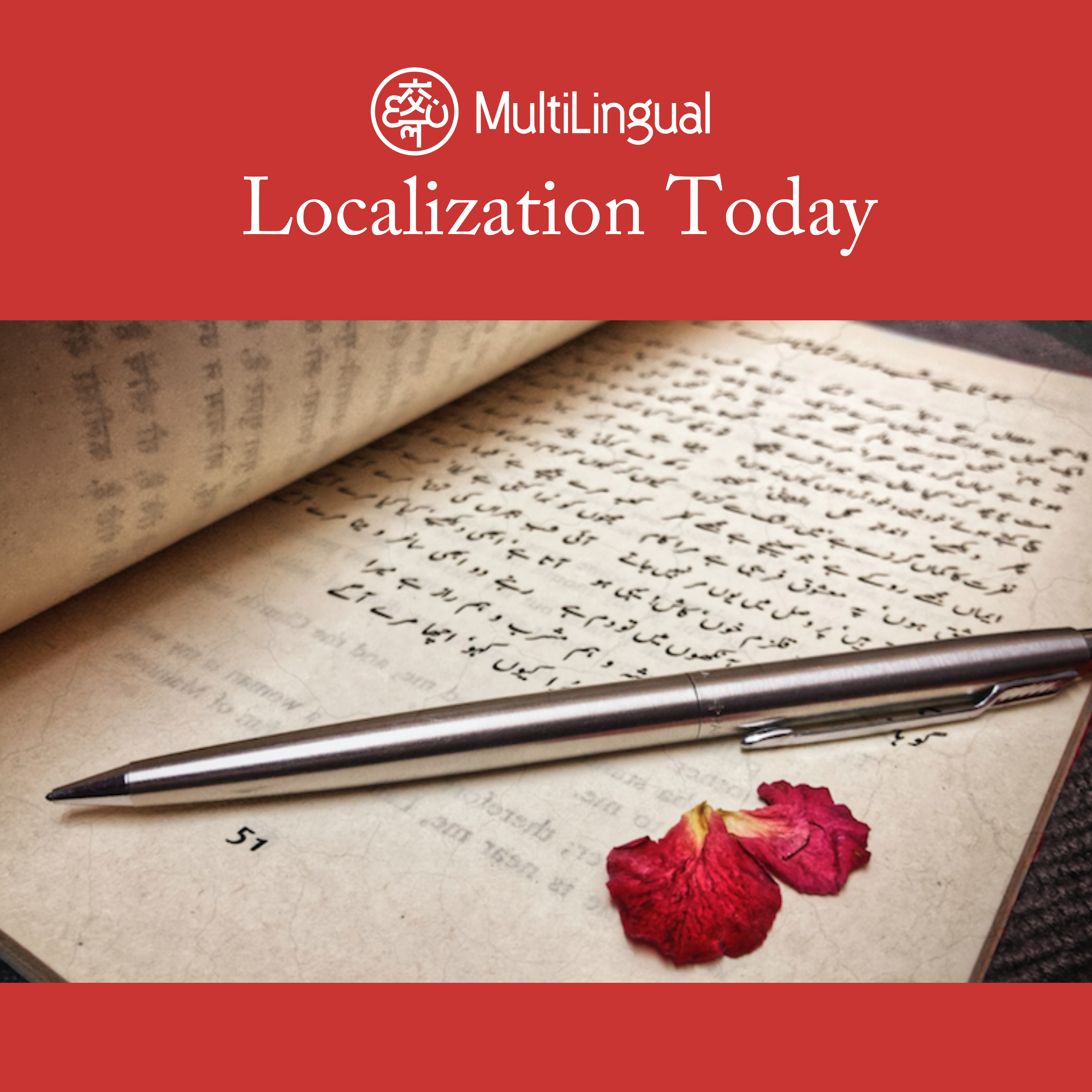
Because Nastalīq has been so challenging to adapt to a digital format, many Urdu speakers have taken to using Naskh, which is written along straight horizontal lines, or even using a non-standardized form of the language that uses Latin script.

House Bill (HB) 60 would essentially allow fluent speakers of Native American languages the opportunity to receive a teacher’s salary without needing a teaching...
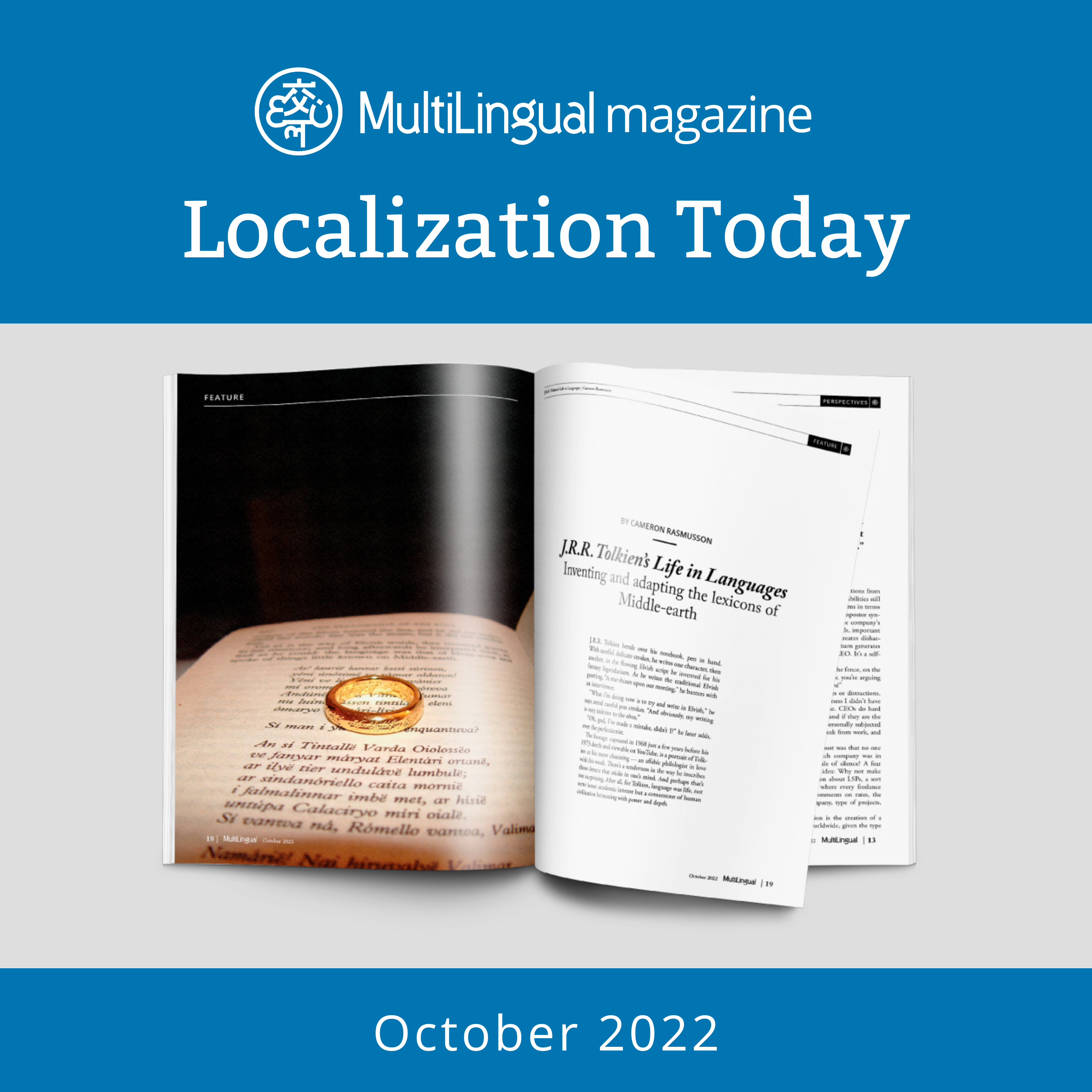
For Tolkien, language was life, not some lesser academic interest but a cornerstone of human civilization brimming with power and depth.
By Kate Edwards “Allegorical distance” is the amount of effort required for a player to perceive the real-world inspiration behind an allegory in a...